
-
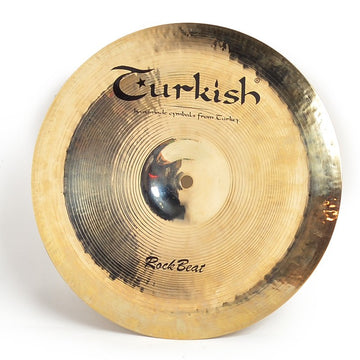
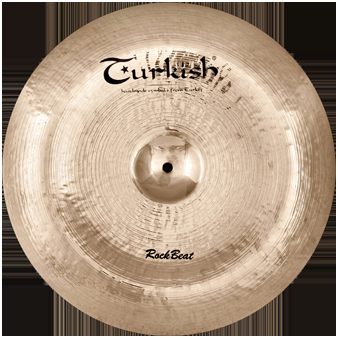
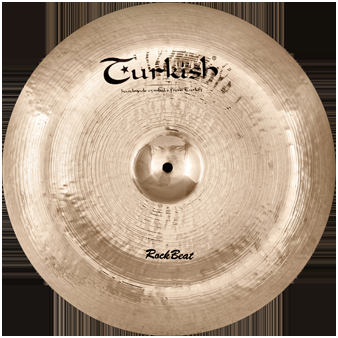
Turkish Rock Beat China Mini 12"
- Cymbal typeChina
- Size12"
- MaterialB20 Bronze
Regular price 495 złRegular priceUnit price perTurkish Rock Beat China Mini 12"
Regular price 495 złRegular priceUnit price per -
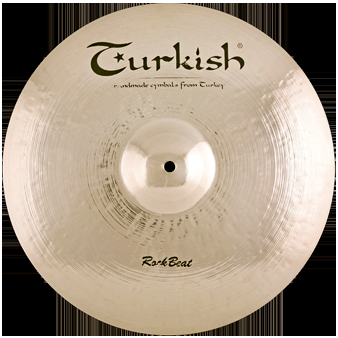
Turkish Rock Beat Crash Dark 16"
- Cymbal typeCrash
- Size16"
- MaterialB20 Bronze
Regular price 686 złRegular priceUnit price perTurkish Rock Beat Crash Dark 16"
Regular price 686 złRegular priceUnit price per -
Turkish Rock Beat Crash Thin 19"
- Cymbal typeCrash
- Size19"
- MaterialB20 Bronze
Regular price 857 złRegular priceUnit price perTurkish Rock Beat Crash Thin 19"
Regular price 857 złRegular priceUnit price per -
Turkish Rock Beat Crash Thin 16"
- Cymbal typeCrash
- Size16"
- MaterialB20 Bronze
Regular price 686 złRegular priceUnit price perTurkish Rock Beat Crash Thin 16"
Regular price 686 złRegular priceUnit price per -
Turkish Rock Beat Crash Thin 18"
- Cymbal typeCrash
- Size18"
- MaterialB20 Bronze
Regular price 833 złRegular priceUnit price perTurkish Rock Beat Crash Thin 18"
Regular price 833 złRegular priceUnit price per -
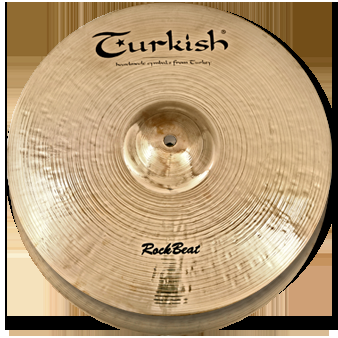
Turkish Rock Beat Rock Hihat 14"
- Cymbal typeHi-Hat
- Size14"
- MaterialB20 Bronze
Regular price 1 145 złRegular priceUnit price perTurkish Rock Beat Rock Hihat 14"
Regular price 1 145 złRegular priceUnit price per -
Turkish Rock Beat Ride Heavy 20"
- Cymbal typeRide
- Size20"
- MaterialB20 Bronze
Regular price 1 082 złRegular priceUnit price perTurkish Rock Beat Ride Heavy 20"
Regular price 1 082 złRegular priceUnit price per -
Turkish Rock Beat Heavy Ride 21"
- Cymbal typeRide
- Size21"
- MaterialB20 Bronze
Regular price 1 187 złRegular priceUnit price perTurkish Rock Beat Heavy Ride 21"
Regular price 1 187 złRegular priceUnit price per -
Turkish Rock Beat Heavy Ride 22"
- Cymbal typeRide
- Size22"
- MaterialB20 Bronze
Regular price 1 290 złRegular priceUnit price perTurkish Rock Beat Heavy Ride 22"
Regular price 1 290 złRegular priceUnit price per -
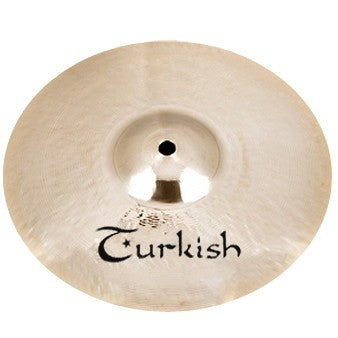
Turkish Rock Beat Splash Thin 8"
- Cymbal typeSplash
- MaterialB20 Bronze
Regular price 312 złRegular priceUnit price perTurkish Rock Beat Splash Thin 8"
Regular price 312 złRegular priceUnit price per -
Turkish Rock Beat Crash Medium 18"
- Cymbal typeCrash
- Size18"
- MaterialB20 Bronze
Regular price 835 złRegular priceUnit price perTurkish Rock Beat Crash Medium 18"
Regular price 835 złRegular priceUnit price per -
Turkish Rhythm&Soul Hihat light 13"
- Cymbal typeHi-Hat
- Size13"
- MaterialB20 Bronze
Regular price 1 126 złRegular priceUnit price perTurkish Rhythm&Soul Hihat light 13"
Regular price 1 126 złRegular priceUnit price per -
Turkish Studio Set (14" Hihat, 16" Crash, 20" Ride)
- Cymbal typeCymbal set
- MaterialB20 Bronze
Regular price 2 498 złRegular priceUnit price perTurkish Studio Set (14" Hihat, 16" Crash, 20" Ride)
Regular price 2 498 złRegular priceUnit price per -
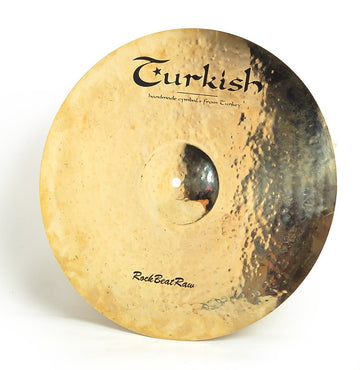
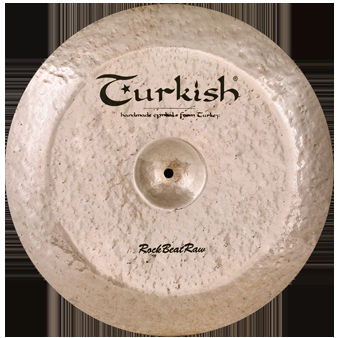
Turkish Rock Beat Raw China 18
- Cymbal typeChina
- Size18"
- MaterialB20 Bronze
Regular price 916 złRegular priceUnit price perTurkish Rock Beat Raw China 18
Regular price 916 złRegular priceUnit price per -
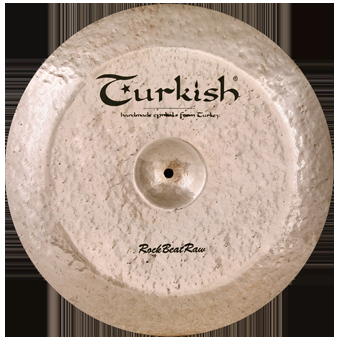
Turkish Rock Beat Raw China 16"
- Cymbal typeChina
- Size16"
- MaterialB20 Bronze
Regular price 770 złRegular priceUnit price perTurkish Rock Beat Raw China 16"
Regular price 770 złRegular priceUnit price per -
Turkish Rock Beat China Thin 16"
- Cymbal typeChina
- Size16"
- MaterialB20 Bronze
Regular price 732 złRegular priceUnit price perTurkish Rock Beat China Thin 16"
Regular price 732 złRegular priceUnit price per -
Turkish Rock Beat China Thin 17"
- Cymbal typeChina
- Size17"
- MaterialB20 Bronze
Regular price 833 złRegular priceUnit price perTurkish Rock Beat China Thin 17"
Regular price 833 złRegular priceUnit price per -
Turkish Rock Beat Thin China 18"
- Cymbal typeChina
- Size18"
- MaterialB20 Bronze
Regular price 867 złRegular priceUnit price perTurkish Rock Beat Thin China 18"
Regular price 867 złRegular priceUnit price per -
Turkish Rock Beat Thin China 19"
- Cymbal typeChina
- Size19"
- MaterialB20 Bronze
Regular price 1 041 złRegular priceUnit price perTurkish Rock Beat Thin China 19"
Regular price 1 041 złRegular priceUnit price per -
Turkish Rock Beat Crash Rock 16"
- Cymbal typeCrash
- Size16"
- MaterialB20 Bronze
Regular price 686 złRegular priceUnit price perTurkish Rock Beat Crash Rock 16"
Regular price 686 złRegular priceUnit price per -
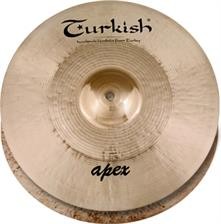
Turkish Apex Heavy Top Hihat 15"
- Cymbal typeHi-Hat
- Size15"
- MaterialB20 Bronze
Regular price 1 209 złRegular priceUnit price perTurkish Apex Heavy Top Hihat 15"
Regular price 1 209 złRegular priceUnit price per -
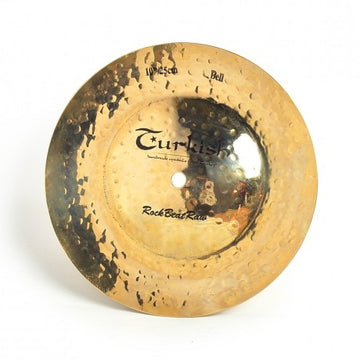
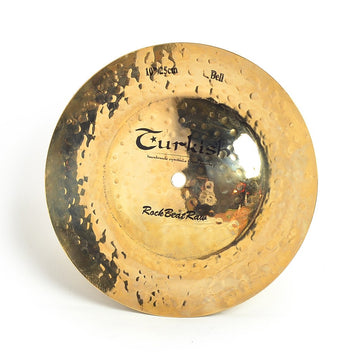
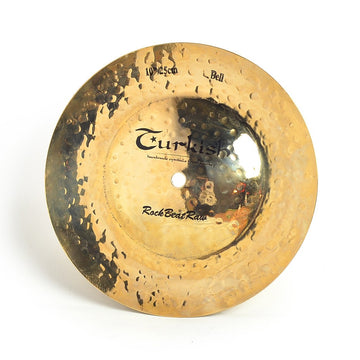
Turkish Rock Beat Raw Big Bell 9"
- MaterialB20 Bronze
Regular price 439 złRegular priceUnit price perTurkish Rock Beat Raw Big Bell 9"
Regular price 439 złRegular priceUnit price per -
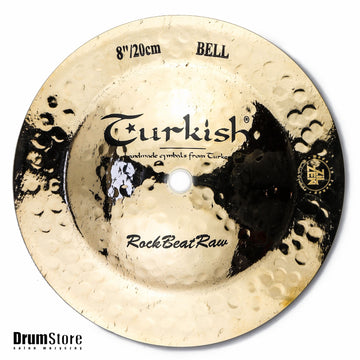
Turkish Rock Beat Raw Big Bell 8"
- MaterialB20 Bronze
Regular price 407 złRegular priceUnit price perTurkish Rock Beat Raw Big Bell 8"
Regular price 407 złRegular priceUnit price per -
Turkish Rock Beat Raw Big Bell 6"
- MaterialB20 Bronze
Regular price 363 złRegular priceUnit price perTurkish Rock Beat Raw Big Bell 6"
Regular price 363 złRegular priceUnit price per -
Turkish Rock Beat Splash Thin 10"
- Cymbal typeSplash
- MaterialB20 Bronze
Regular price 396 złRegular priceUnit price perTurkish Rock Beat Splash Thin 10"
Regular price 396 złRegular priceUnit price per -
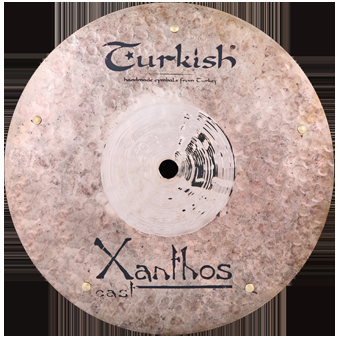
Turkish Xanthos Flat Bell Sizzle 9"
- Cymbal typeSizzle
- MaterialB20 Bronze
- FinishCustom
Regular price 375 złRegular priceUnit price perTurkish Xanthos Flat Bell Sizzle 9"
Regular price 375 złRegular priceUnit price per -
Turkish Rock Beat Regular Hihat 14"
- Cymbal typeHi-Hat
- Size14"
- MaterialB20 Bronze
Regular price 1 145 złRegular priceUnit price perTurkish Rock Beat Regular Hihat 14"
Regular price 1 145 złRegular priceUnit price per -
Turkish Rock Beat Raw Rock Ride 20"
- Cymbal typeRide
- Size20"
- MaterialB20 Bronze
Regular price 1 021 złRegular priceUnit price perTurkish Rock Beat Raw Rock Ride 20"
Regular price 1 021 złRegular priceUnit price per -
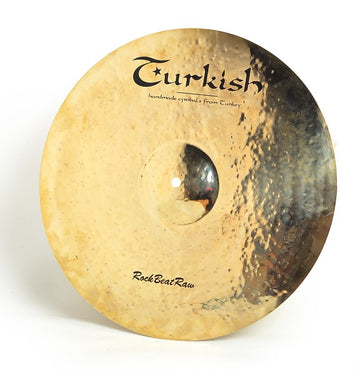
Turkish Rock Beat Raw Crash Thin 16"
- Cymbal typeCrash
- Size16"
- MaterialB20 Bronze
Regular price 654 złRegular priceUnit price perTurkish Rock Beat Raw Crash Thin 16"
Regular price 654 złRegular priceUnit price per -
Turkish Rock Beat Raw Crash Thin 19"
- Cymbal typeCrash
- Size19"
- MaterialB20 Bronze
Regular price 857 złRegular priceUnit price perTurkish Rock Beat Raw Crash Thin 19"
Regular price 857 złRegular priceUnit price per -
Turkish Rock Beat Raw Crash Thin 18"
- Cymbal typeCrash
- Size18"
- MaterialB20 Bronze
Regular price 790 złRegular priceUnit price perTurkish Rock Beat Raw Crash Thin 18"
Regular price 790 złRegular priceUnit price per -
Turkish Rock Beat Raw Heavy Ride 20"
- Cymbal typeRide
- Size20"
- MaterialB20 Bronze
Regular price 1 021 złRegular priceUnit price perTurkish Rock Beat Raw Heavy Ride 20"
Regular price 1 021 złRegular priceUnit price per -
Turkish Rock Beat Crash Ride Rock 20"
- Cymbal typeCrash
- Size20"
- MaterialB20 Bronze
Regular price 1 021 złRegular priceUnit price perTurkish Rock Beat Crash Ride Rock 20"
Regular price 1 021 złRegular priceUnit price per -
Turkish Rock Beat Raw Ride Medium 21"
- Cymbal typeRide
- Size21"
- MaterialB20 Bronze
Regular price 1 187 złRegular priceUnit price perTurkish Rock Beat Raw Ride Medium 21"
Regular price 1 187 złRegular priceUnit price per -
Turkish Rock Beat Raw Medium Crash 16"
- Cymbal typeCrash
- Size16"
- MaterialB20 Bronze
Regular price 686 złRegular priceUnit price perTurkish Rock Beat Raw Medium Crash 16"
Regular price 686 złRegular priceUnit price per -
Turkish Rock Beat Raw China 17"
- Cymbal typeChina
- Size17"
- MaterialB20 Bronze
Regular price 833 złRegular priceUnit price perTurkish Rock Beat Raw China 17"
Regular price 833 złRegular priceUnit price per -
Turkish Rock Beat Raw Big Bell 10"
- MaterialB20 Bronze
Regular price 495 złRegular priceUnit price perTurkish Rock Beat Raw Big Bell 10"
Regular price 495 złRegular priceUnit price per -
Turkish Rock Beat Raw Thin China 18"
- Cymbal typeChina
- Size18"
- MaterialB20 Bronze
Regular price 916 złRegular priceUnit price perTurkish Rock Beat Raw Thin China 18"
Regular price 916 złRegular priceUnit price per -
Turkish Rock Beat Raw Medium Thin Crash 17"
- Cymbal typeCrash
- Size17"
- MaterialB20 Bronze
Regular price 769 złRegular priceUnit price perTurkish Rock Beat Raw Medium Thin Crash 17"
Regular price 769 złRegular priceUnit price per -
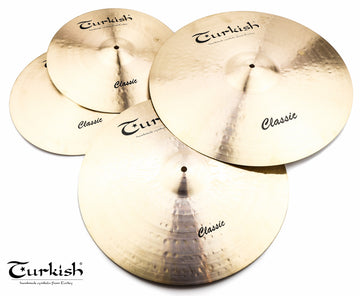
Turkish Classic Set 1 (14 Paper-Thin/18 Thin/20 Paper-Thin) - Custom (mocno kuty)
- Cymbal typeCymbal set
- MaterialB20 Bronze
- FinishCustom
Regular price 1 873 złRegular priceUnit price perTurkish Classic Set 1 (14 Paper-Thin/18 Thin/20 Paper-Thin) - Custom (mocno kuty)
Regular price 1 873 złRegular priceUnit price per -
Turkish Rock Beat Raw Crash Heavy 18"
- Cymbal typeCrash
- Size18"
- MaterialB20 Bronze
Regular price 877 złRegular priceUnit price perTurkish Rock Beat Raw Crash Heavy 18"
Regular price 877 złRegular priceUnit price per -
Turkish Rock Beat Raw Crash Heavy 19"
- Cymbal typeCrash
- Size19"
- MaterialB20 Bronze
Regular price 943 złRegular priceUnit price perTurkish Rock Beat Raw Crash Heavy 19"
Regular price 943 złRegular priceUnit price per -
Turkish Rock Beat Raw Ride 20"
- Cymbal typeRide
- Size20"
- MaterialB20 Bronze
Regular price 1 089 złRegular priceUnit price perTurkish Rock Beat Raw Ride 20"
Regular price 1 089 złRegular priceUnit price per -
Turkish Rock Beat Raw Crash Rock 16"
- Cymbal typeCrash
- Size16"
- MaterialB20 Bronze
Regular price 686 złRegular priceUnit price perTurkish Rock Beat Raw Crash Rock 16"
Regular price 686 złRegular priceUnit price per -
Turkish Rock Beat Raw Crash Heavy 20"
- Cymbal typeCrash
- Size20"
- MaterialB20 Bronze
Regular price 1 031 złRegular priceUnit price perTurkish Rock Beat Raw Crash Heavy 20"
Regular price 1 031 złRegular priceUnit price per








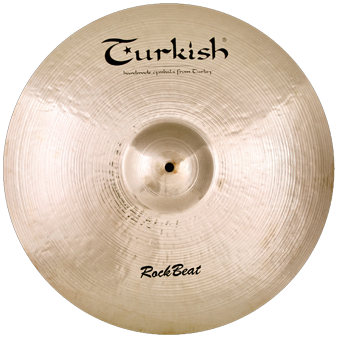

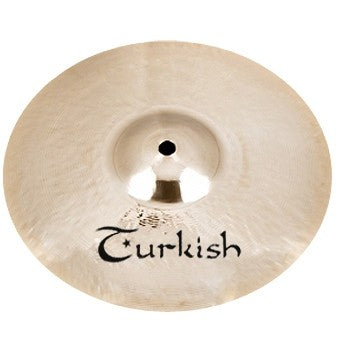

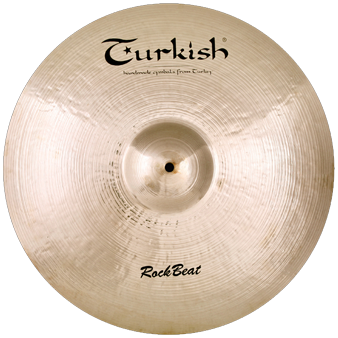

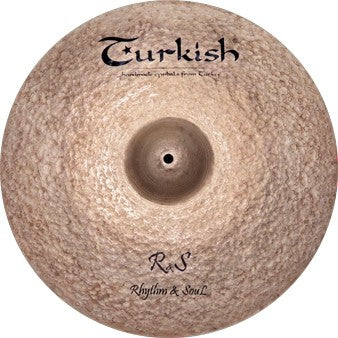

















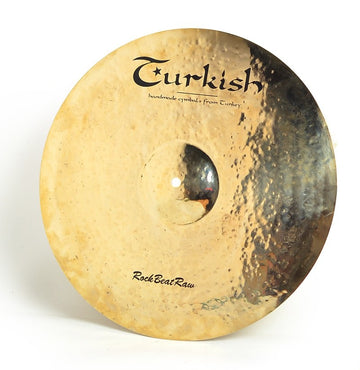

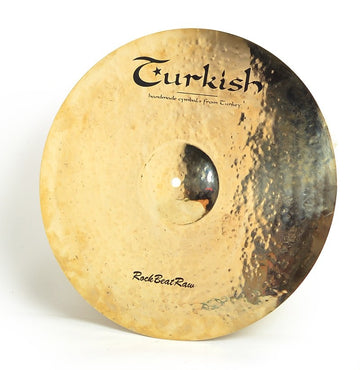

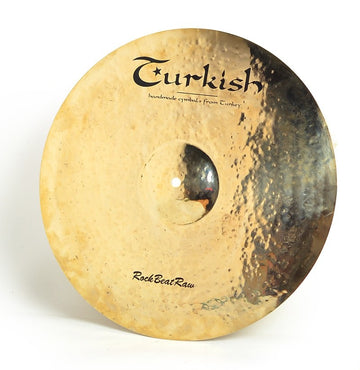

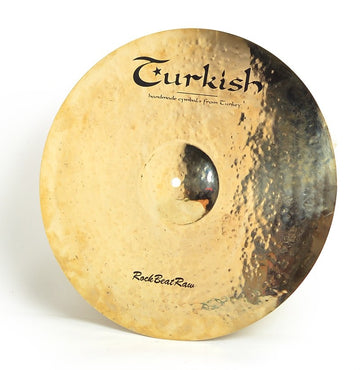

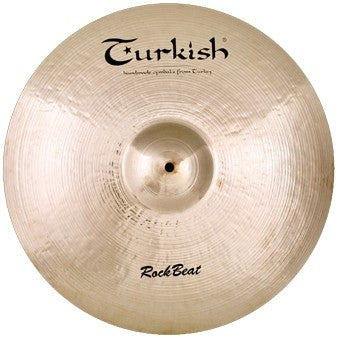

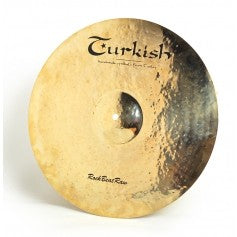

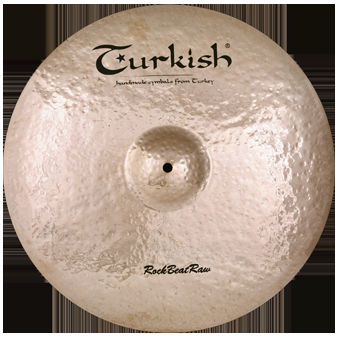

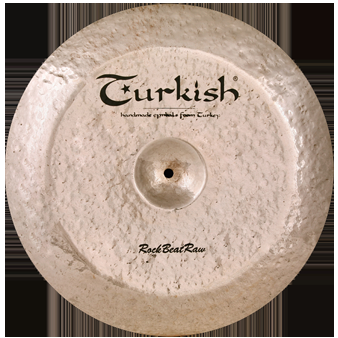





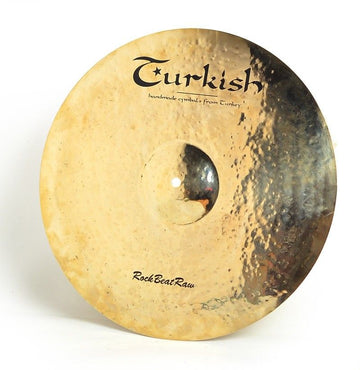

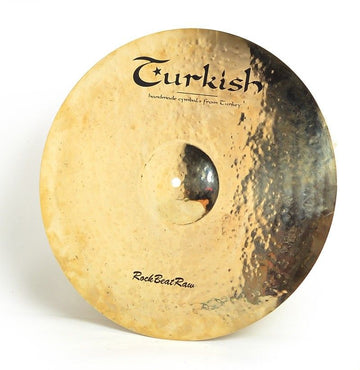

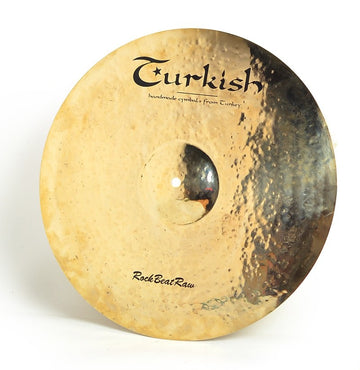

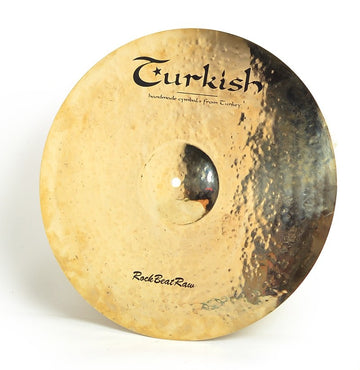

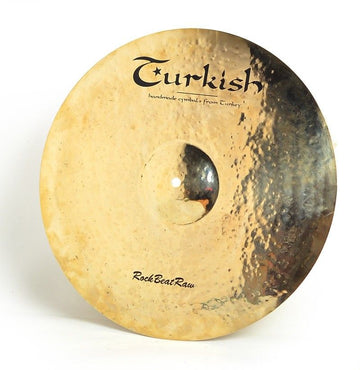

Types of drum cymbals
A popular way to stock up on cymbals for your drum kit is to buy a set. If you don't yet have advanced knowledge of the purpose and specifications of individual cymbals, a ready-made set is a safe choice. A cymbal pack contains three basic types:
- Hi-hat - actually consists of two cymbals, the distance between which can be controlled with a pedal. The hi-hat is the basic rhythm cymbal. It usually comes in relatively small sizes, e.g. 13” or 14”.
- Ride - the largest cymbal in a basic kit (often over 20”), usually also used to play the rhythm, but offering a gentler sound than the hi-hat. The character of the sound produced is also closely tied to where you strike it with the stick.
- Crash - is certainly the most spectacular cymbal. It offers the greatest attack and the longest decay. We use it most often to add an accent to the rhythm, emphasize key fragments, or crown an entire musical phrase or drum solo. It comes in a wide range of sizes, from 13” up to even over 20”.
Experienced drummers often decide to add effects cymbals to their kit, complementing the sound with more elaborate tones. This mainly refers to cymbals such as:
- China - a cymbal serving a function similar to a crash, mainly for accents. It has a very characteristic loud, trashy sound. Average sizes are 16-18”, but you will also find much smaller versions.
- Splash - a good addition for drummers who like to angle their cymbals forward while playing. This type of cymbal produces a distinct, short sound that works well, for example, for building melodies on the drums. This category often includes bell-type cymbals, which give the effect of a high, long-ringing bell.
Polmuz and Turkish Cymbals cymbals
Polmuz cymbals from the Hel, Pomerania, Rudis, and Classic series are hand-hammered in Turkey from B20 bronze, and alongside them we also carry Turkish Cymbals, made in that same centuries-old tradition.
Which drum cymbals should you choose?
How do you choose drum cymbals when the range on offer is so huge? First of all, it's worth taking the manufacturer's brand into account. The company's reputation alone is something of a guarantee of good quality and durability for its products.
When searching for the right cymbals, you should definitely take into account the type of material they are made from. The two main metals used in the production of drum cymbals are brass and bronze.
Brass drum cymbals offer rather low-quality sound and aren't very durable either. That's why they're considered a typical budget option. You'll often find cymbals made from this metal alloy in kits for beginners.
Bronze comes in several alloys from B8 to B20. These two specifications are also the most popular, although between them there are a number of other, less commonly used variants (e.g. B10, B12). The general rule is that the higher the number in the designation, the better the quality and sound of the cymbal.
It should be kept in mind, however, that higher-end cymbals are more delicate. This is why B20 is not necessarily the ideal choice for beginners, who may quickly damage a cymbal due to technical shortcomings. They do work well, however, in the arsenal of experienced drummers who can make full use of their potential. For beginners, we recommend the cheaper but solid-sounding B8 bronze.
If you're on a tight budget, a good option is to check out used drum cymbals. Used drum cymbals can offer very good parameters at an affordable price. Don't worry about their technical condition either - well cared-for cymbals can easily serve several users over their lifetime!
How to clean drum cymbals?
Finally, a quick lesson that will come in handy for every beginner, and perhaps some intermediate players too. How to clean drum cymbals?
As for tools, a clean cloth or a fabric kitchen towel is enough. If you don't want your cymbals to end up on the scrap heap in no time, never use rough or wire scouring pads under any circumstances!
For many, the philosophy starts with the choice of cleaning agent. Among homemade ideas for cleaning drum cymbals, you'll find lemon, vinegar or even ketchup. Is it even worth testing such solutions? Probably not. Cleaning agents dedicated to cymbals are not particularly expensive, and they provide definitely the best results. Besides, using them means you don't risk damaging your gear.
The technique for cleaning drum cymbals is quite simple - just wipe the entire surface of the cymbal with a cloth and a suitable cleaning fluid. Work in the direction of the grooves on the cymbal's surface. Now leave the fluid on for a few minutes, then wipe the cymbal dry with a cloth. Done!